LEVERS Project Concludes with Final Meeting in Geneva
- Article, TYPE, Workshop
The European project LEVERS, which connects science, education, and climate justice, entered its final phase with a partners’ meeting and a public symposium held on 4–5 February 2026 in Geneva.
After three years of intensive work, the closing activities in Geneva focused on ensuring that the project’s key results and tools continue to be used beyond the project’s formal completion.
Following earlier consortium meetings in Dublin (March 2023), Brussels (March 2024), and Ljubljana (January 2025), representatives of eleven partner institutions gathered in Geneva to review achievements, present major outcomes, and define recommendations and strategies for sustaining project resources and collaborations in the long term.
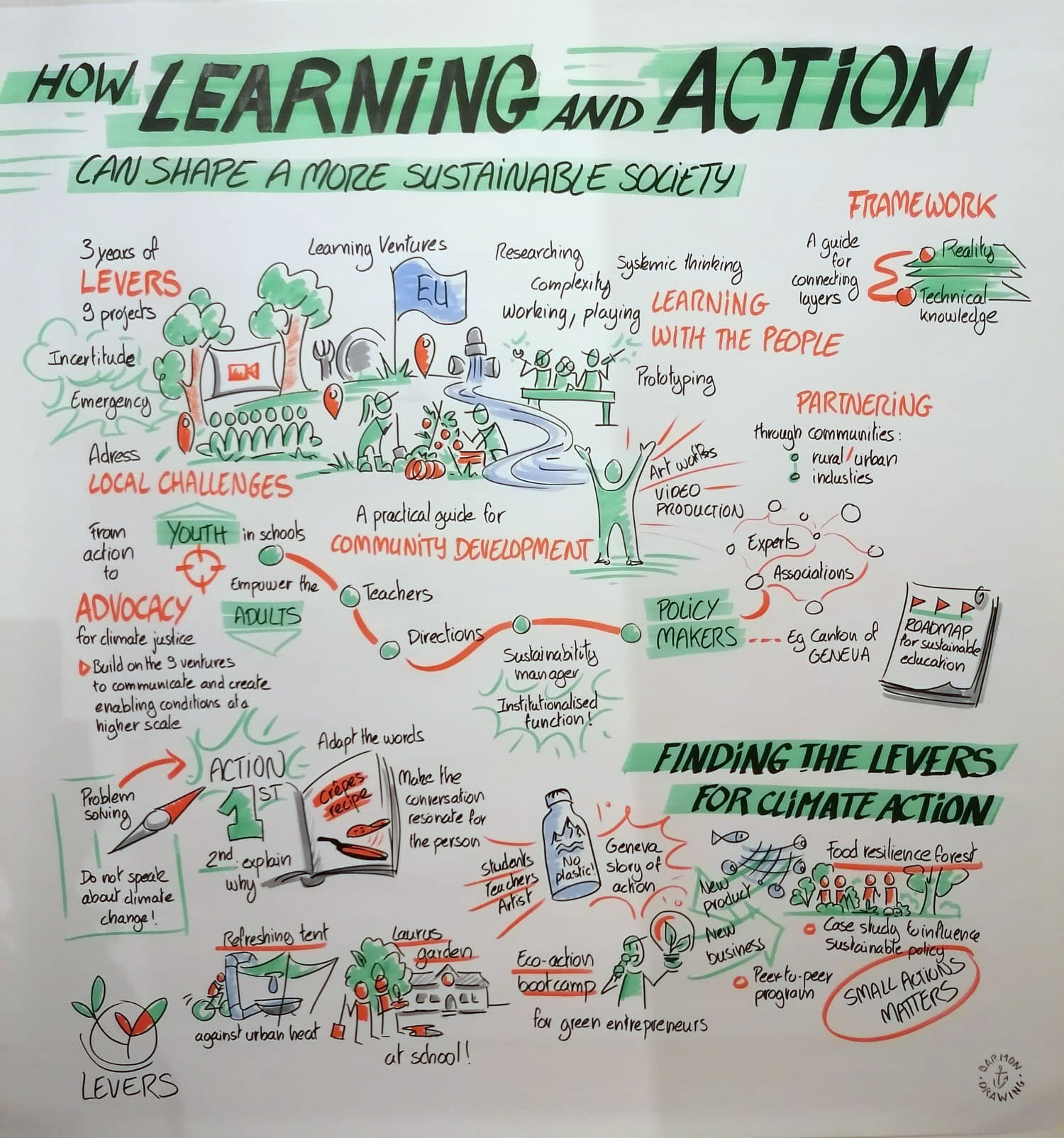
A public symposium “How learning and action can shape a more sustainable society” brought together around 30-40 participants, including members of the LEVERS consortium. The symposium showcased key project findings and featured a lecture “From Action to Beliefs. Some golden nuggets from neuroscience to foster a constructive climate change debate” by neuroscientist Dr. Kris De Meyer, who discussed insights from neuroscience relevant to fostering constructive debate on climate change.
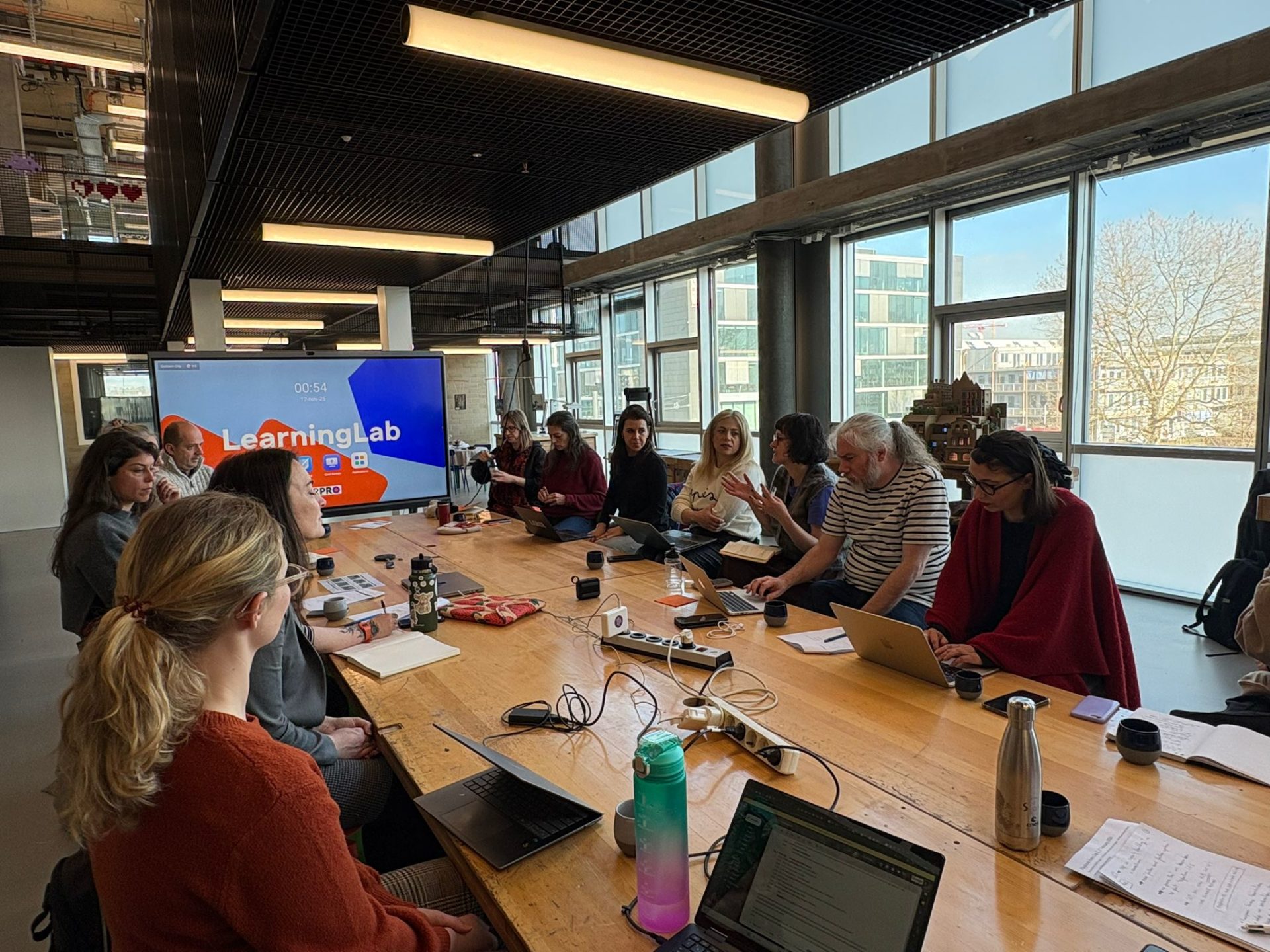
During the Geneva sessions, the consortium also worked in a workshop format on the project’s legacy, addressing final reporting steps, communication activities, policy recommendations, and ways to ensure the continued practical use of LEVERS resources. Particular attention was given to educational materials developed within the project, including various publications produced by project partners.
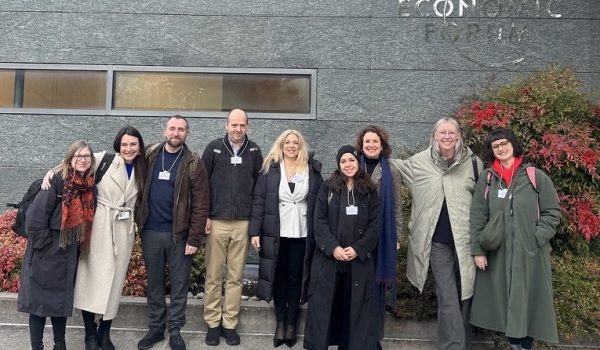
An additional activity included organizing a series of consortium meetings at the World Economic Forum headquarters in Geneva, providing a platform for exchange with cross-sector stakeholders and discussion of topics such as innovation, education, and broader societal engagement.